
LANDSCAPE PHOTOGRAPHY
The Art of Capturing the Perfect Shot – Mother Nature Waits for No One
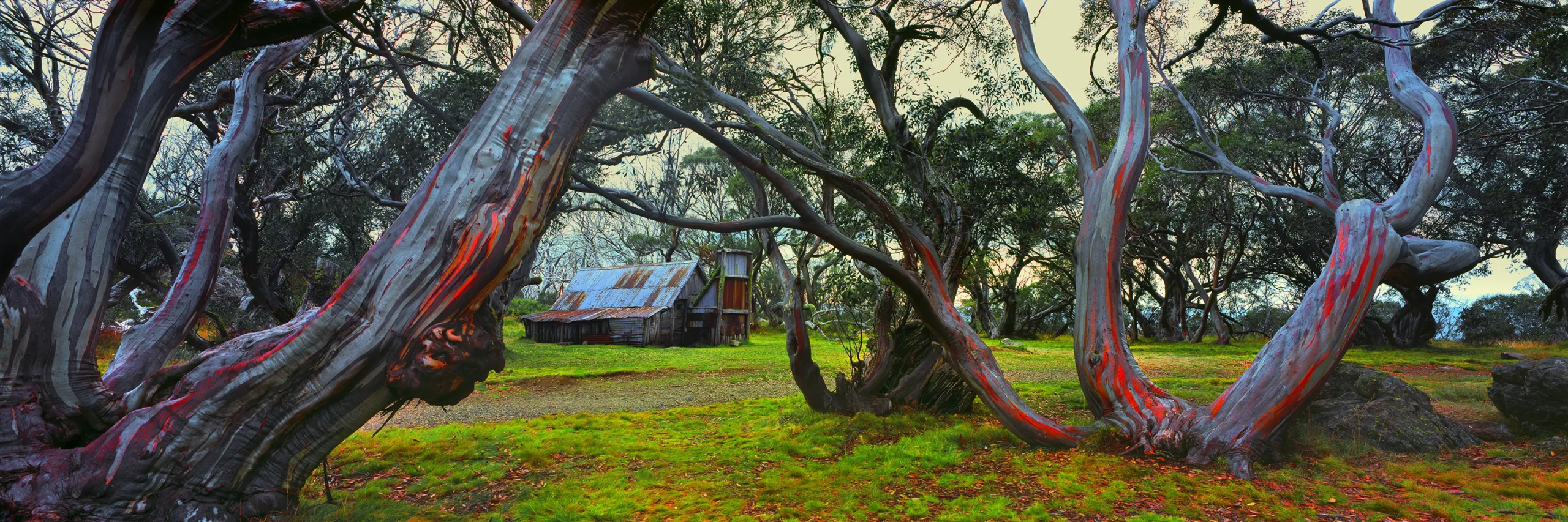
Landscape photography is an art that requires patience, precision, and an understanding of light, composition, and timing. In Australia’s diverse landscapes, from the rugged Outback to coastal cliffs and lush rainforests, every scene offers a fleeting moment of magic. Capturing that perfect shot requires an eye for detail, an appreciation for nature’s unpredictability, and a readiness to seize the moment—because Mother Nature waits for no one.
The Importance of Sunrise and Sunset in Landscape Photography
Sunrise and sunset are the golden hours of landscape photography. The quality of light during these times enhances the depth, texture, and emotion of a photograph.
Sunrise – The Calm Before the Day Begins
Offers a soft, ethereal glow, with mist and cool tones adding drama.
Creates long shadows and warm highlights, ideal for capturing rolling hills, mountains, and coastal landscapes.
Less human activity, allowing for pristine, undisturbed scenes.
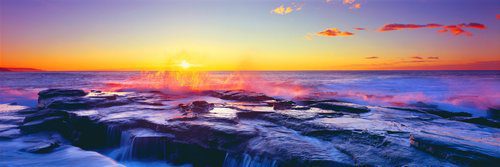
Sunset – The Fiery Drama of the Day’s End
Rich, golden hues add warmth and depth to any scene.
Sky reflections on water, beaches, and lakes create breathtaking compositions.
Enhanced contrast and silhouettes for a bold, dramatic effect.
Composition in Australian Landscape Photography
Composition is key to transforming a beautiful scene into a masterpiece. Here are essential elements for composing the perfect Australian landscape shot:
Leading Lines
Rivers, pathways, and coastline edges guide the viewer’s eye into the scene.
Perfect for locations like the Great Ocean Road, Kakadu National Park, and the Blue Mountains.
The Rule of Thirds
Position key subjects, such as mountains or rock formations, along the grid lines to create balance.
Works well for Uluru, the Pinnacles Desert, and the Remarkable Rocks on Kangaroo Island.
Foreground Interest
Adding an element in the foreground creates depth and scale.
Ideal for locations with wildflowers, rocky outcrops, or water reflections, such as the Freycinet Peninsula and Daintree Rainforest.
Dramatic Sky and Weather Elements
Capturing storm clouds, fog, or sunbeams enhances mood and storytelling.
Locations like Cradle Mountain, Litchfield National Park, and the Twelve Apostles offer ever-changing weather patterns that create dynamic landscapes.
Australia’s National Parks – The Ultimate Canvas for Landscape Photography
Australia’s National Parks are home to some of the most spectacular landscapes in the world, offering a diverse range of environments for photographers.
Uluru-Kata Tjuta National Park (Northern Territory)
The iconic red rock of Uluru glows differently at sunrise and sunset.
Cultural significance and spiritual presence make it one of the most photographed locations.
Blue Mountains National Park (New South Wales)
Misty valleys, waterfalls, and dramatic cliffs offer stunning compositions.
The Three Sisters rock formation is a must-capture at sunset.
Karijini National Park (Western Australia)
Deep gorges, waterfalls, and natural swimming holes provide diverse subject matter.
The rich red earth contrasts beautifully with the blue skies and green vegetation.
Flinders Ranges National Park (South Australia)
Rolling mountain ranges and vast open plains create a cinematic quality.
Best photographed during the golden hours for deep shadows and textures.
Wilsons Promontory National Park (Victoria)
Coastal landscapes, granite mountains, and pristine beaches offer a variety of textures and colors.
The Milky Way over the beaches makes for exceptional astrophotography opportunities.
The art of landscape photography is about more than just pressing the shutter—it’s about understanding light, composition, and timing. In Australia’s breathtaking national parks and wild landscapes, photographers must be ready, adaptable, and creative to capture the fleeting moments that make an image unforgettable. Whether it’s the golden glow of Uluru, the misty valleys of the Blue Mountains, or the rugged coastline of the Great Ocean Road, every landscape has a story to tell. And when the perfect moment arrives, there’s no second chance—because Mother Nature waits for no one.