
PHOTOGRAPHING AUSTRALIA
Title: PHOTOGRAPHING AUSTRALIA
Photographing Australian Landscapes: The Vision, Passion and Philosophy of Mark Zissis Photography
Capturing the Soul of Australia Through Landscape Photography
Australia is a country of extraordinary contrasts. From ancient sandstone valleys and rugged mountain ranges to endless desert horizons, dramatic coastlines, hidden waterfalls and untouched wilderness, the Australian landscape offers an endless source of inspiration for photographers who are willing to explore, observe and wait for the perfect moment.
For Mark Zissis Photography, landscape photography is more than simply capturing beautiful scenery. It is about creating a visual connection between people and the natural world. With over 23 years of experience photographing Australian landscapes, Mark Zissis has dedicated his career to exploring some of Australia’s most remarkable environments and transforming these fleeting moments in nature into timeless fine art photography.
Every photograph begins with a story.
It may be the first golden light touching the peaks of the Blue Mountains, the movement of ocean waves along a remote coastline, mist drifting through ancient forests, or the powerful silence of Australia’s outback. These moments are not created in a studio—they are discovered through patience, preparation and a deep understanding of the landscape.
The philosophy behind Mark Zissis Photography is simple:
Create authentic Australian landscape artwork that captures not only what a place looks like, but what it feels like to stand there.
The Journey Behind Australian Landscape Photography
Landscape photography is a pursuit that requires dedication, persistence and respect for nature. Unlike many forms of photography where the environment can be controlled, landscape photographers must work with conditions that constantly change.
Weather, seasons, light, tides, clouds and atmosphere all influence the final image.
A scene that appears ordinary during the middle of the day can become extraordinary when the right combination of elements comes together. A passing storm can create dramatic skies. Early morning fog can transform a familiar forest into an atmospheric dreamscape. The warm glow of sunset can turn a rugged mountain range into a breathtaking work of art.
Over more than two decades photographing Australia’s diverse environments, Mark Zissis has developed a deep appreciation for these unpredictable moments.
The process is not simply about arriving at a location with a camera. It is about understanding the landscape, studying conditions, exploring viewpoints and waiting until nature reveals something truly special.
This patience and dedication are what separate professional landscape photography from ordinary snapshots.
A Passion for Australia’s Natural Beauty
Australia is home to some of the oldest and most diverse landscapes on Earth. Its environments have been shaped over millions of years, creating a unique visual identity unlike anywhere else in the world.
For Mark Zissis, photographing Australia is about celebrating this incredible natural heritage.
From the dramatic sandstone formations of New South Wales to the wild alpine landscapes of Tasmania, every region offers its own character and emotion.
The Australian landscape is not just a subject—it is a source of inspiration.
The twisting branches of ancient eucalyptus trees, the texture of weathered rock, the colours of native flora, the movement of water and the vastness of open spaces all tell stories about the country’s history and connection to nature.
Through photography, these stories can be preserved and shared.
A fine art landscape photograph becomes more than an image on a wall. It becomes a window into a place, a memory of a moment and a reminder of the beauty that exists beyond our everyday surroundings.
The Art of Seeing the Landscape Differently
One of the greatest skills in landscape photography is learning to truly see.
Many people visit the same locations, but each photographer interprets the landscape differently. The difference comes from vision, experience and personal connection.
Mark Zissis approaches each location with the goal of finding something unique.
Rather than simply photographing famous viewpoints, the focus is on discovering atmosphere, emotion and composition.
A successful landscape image requires balance between technical ability and artistic intuition.
The camera records the scene, but the photographer decides:
- Where to stand
- What elements to include
- How to use natural light
- When to capture the moment
- How to create emotion within the frame
This artistic approach allows each photograph to become a personal interpretation of Australia’s wilderness.
The Importance of Light in Landscape Photography
Light is the foundation of every great landscape photograph.
Professional landscape photographers understand that the landscape itself is only one part of the image. The quality, direction and colour of light determine the mood and emotional impact.
The soft glow of early morning creates tranquillity.
The warm tones of sunset create depth and atmosphere.
Storm clouds introduce drama and intensity.
Mist creates mystery and simplicity.
Moonlight can transform a familiar landscape into something completely different.
For Mark Zissis, the pursuit of exceptional light is one of the most important elements of creating memorable Australian landscape photography.
Many of the most powerful images are created during the short periods known as the “golden hour”—the moments shortly after sunrise and before sunset when light becomes softer, warmer and more directional.
However, extraordinary images can also be created in challenging conditions.
Rain, fog, wind and storms often produce some of the most dramatic photographic opportunities.
The key is understanding that every weather condition has the potential to create something beautiful.
Planning the Perfect Landscape Photograph
Behind every successful landscape photograph is careful planning.
Professional landscape photography involves much more than simply arriving at a location and pressing the shutter.
Before photographing a location, Mark Zissis considers many factors, including:
- Weather forecasts
- Seasonal conditions
- Sunrise and sunset direction
- Cloud formations
- Natural lighting patterns
- Accessibility and location scouting
- The best time of year for specific landscapes
This preparation allows the photographer to maximise the opportunity when the perfect conditions appear.
Some images may require returning to the same location many times before everything aligns.
A particular mountain may need the right cloud formation.
A waterfall may need recent rainfall.
A coastal scene may require the perfect tide.
The willingness to wait is a defining characteristic of professional landscape photography.
Exploring Australia’s Diverse Landscapes
One of the greatest privileges of photographing Australia is experiencing the incredible diversity of environments across the country.
Every state and territory offers a different visual story.
New South Wales provides dramatic sandstone landscapes, ancient forests and spectacular coastal scenery.
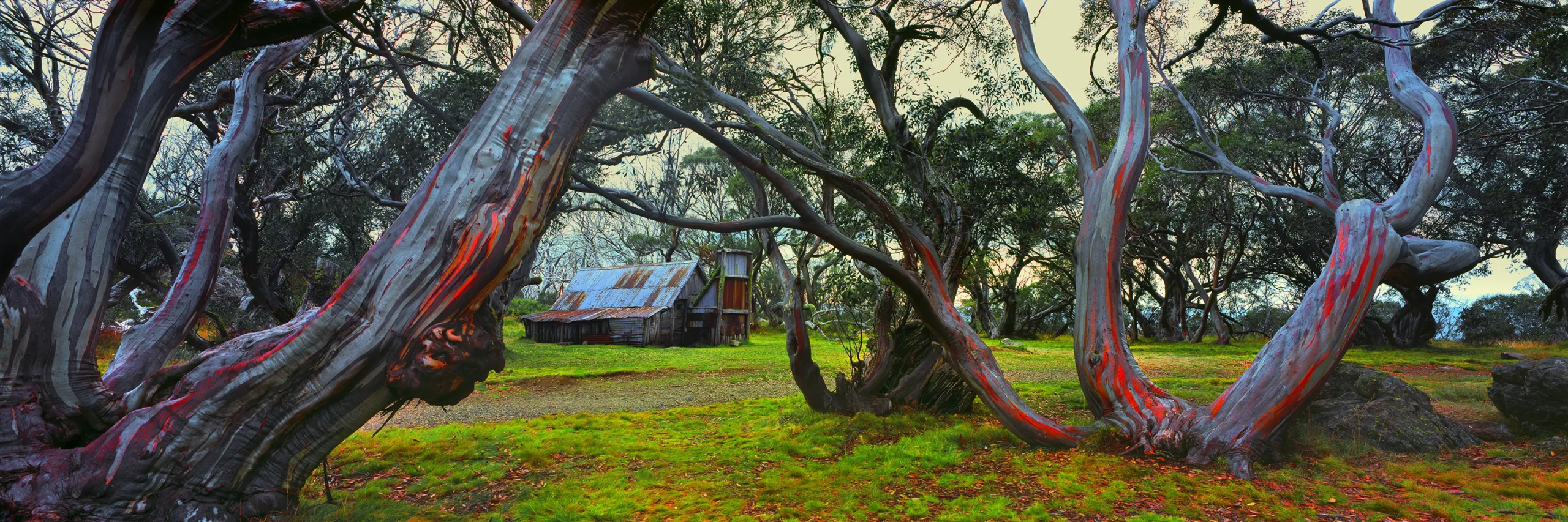
Victoria offers rugged coastlines, alpine environments and unique natural formations.
Queensland showcases tropical rainforests, beaches and vibrant wilderness.
Tasmania presents some of Australia’s most untouched landscapes, with dramatic mountains, lakes and ancient wilderness.
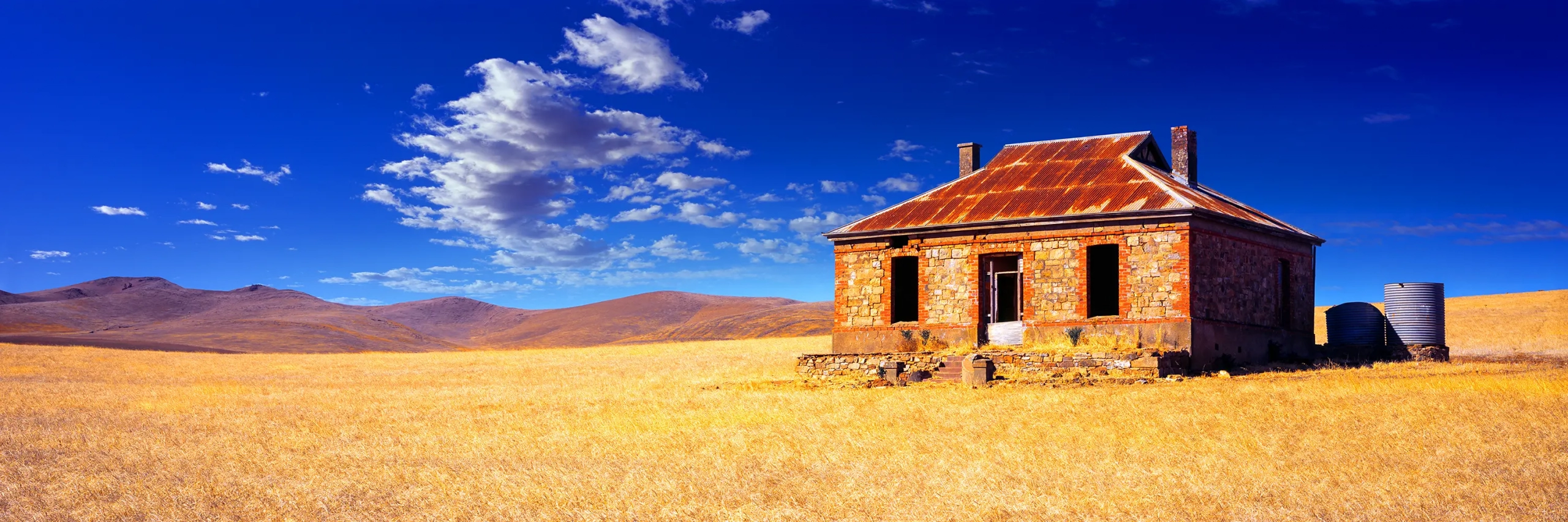
South Australia combines rugged coastlines, dramatic ranges and vast outback scenery.
Western Australia is home to some of the country’s most remote and spectacular landscapes, including pristine beaches and ancient geological formations.
The Northern Territory reveals Australia’s ancient heart through red deserts, waterfalls, dramatic gorges and vast open spaces.
The Australian Capital Territory offers beautiful mountain landscapes, forests and seasonal changes throughout the year.
Each region provides endless opportunities to create powerful landscape artwork.
Creating Australian Wall Art That Lasts a Lifetime
The final goal of landscape photography is not simply taking a photograph—it is creating artwork that people connect with.
A powerful landscape image can completely transform an interior space.
Large-scale Australian wall art brings nature indoors, creating a sense of calm, inspiration and connection.
Mark Zissis Photography focuses on creating premium fine art prints designed to showcase the beauty and detail of Australia’s landscapes.
Every image is carefully considered from the original capture through to the final printed artwork.
The goal is to preserve the atmosphere of the original moment and allow collectors to experience the emotion of the landscape within their own homes.
A photograph taken in a remote wilderness location can become a meaningful piece of artwork displayed for generations.
The Philosophy Behind Mark Zissis Photography
After 23 years of photographing Australia’s landscapes, one lesson remains constant:
The best photographs are created through patience, passion and connection.
Technology continues to evolve, but the fundamentals remain unchanged.
A great landscape photograph requires:
- A respect for nature
- An understanding of light
- A strong creative vision
- Technical skill
- The patience to wait for the perfect moment
Every image created by Mark Zissis Photography represents a journey—a journey into Australia’s wild places, a search for extraordinary light and a commitment to creating artwork that celebrates the natural beauty of this incredible country.
Landscape photography is not just about recording what exists.
It is about preserving moments that may never happen again.
It is about capturing the spirit of Australia.
And it is about sharing that beauty with the world.
The Techniques Behind Mark Zissis’ Australian Landscape Photography
Camera Craft, Field Techniques and the Pursuit of the Perfect Image
Mastering the Technical Side of Australian Landscape Photography
Creating exceptional Australian landscape photography requires far more than owning a professional camera. While modern technology provides incredible opportunities, the true art lies in understanding how to use that equipment to translate a moment in nature into a powerful visual story.
For Mark Zissis, photography has always been a balance between technical precision and creative vision. After 23 years of photographing Australia’s most remarkable landscapes, every image is created through a combination of careful preparation, patience, field experience and a deep understanding of natural light.
The camera is simply the tool.
The vision behind the image is what creates the artwork.
Whether photographing dramatic coastlines, ancient mountain ranges, Australian native forests, waterfalls, remote wilderness or intimate details within the landscape, every decision contributes to the final photograph.
The choice of lens, camera settings, composition, timing and movement all work together to create an image that captures not only the appearance of a location but the emotion of being there.
The Importance of Professional Camera Equipment
Landscape photography demands equipment capable of capturing incredible detail, colour accuracy and depth. Unlike many forms of photography, landscapes often contain extreme differences between highlights and shadows, requiring advanced equipment and careful technique.
Throughout his career, Mark Zissis has used professional photographic systems designed to capture the finest details within Australia’s environments.
The use of high-resolution cameras, including medium format systems such as the Fujifilm GFX 100, allows for extraordinary image quality, exceptional dynamic range and incredible detail.
This level of resolution is particularly important when creating large-scale fine art wall prints.
A photograph designed to become a statement artwork must maintain clarity and detail when enlarged.
Every texture matters:
- The fine detail of eucalyptus leaves
- The patterns within sandstone cliffs
- The movement of ocean spray
- The subtle colours within morning mist
- The intricate textures of Australian native landscapes
High-resolution photography allows these natural details to be preserved.
The Role of Medium Format Photography
Medium format photography has long been associated with the highest level of image quality in professional photography.
The larger sensor size provides advantages including:
- Exceptional detail
- Superior tonal transitions
- Beautiful depth and dimensionality
- Outstanding colour reproduction
- Greater flexibility when producing large fine art prints
For landscape photography, these qualities are invaluable.
Australian landscapes often contain subtle colour variations that can easily be lost with lower-resolution systems.
The transition from deep shadows beneath ancient forests to bright skies above mountain ranges requires a camera system capable of preserving detail throughout the entire image.
Medium format photography helps capture the full visual experience of standing within these environments.
The Art of Using Light and Exposure
Understanding exposure is one of the foundations of professional landscape photography.
The photographer must constantly evaluate the relationship between:
- Light intensity
- Shadows
- Highlights
- Contrast
- Colour
- Atmospheric conditions
A technically correct exposure is not always the most emotionally powerful image.
Sometimes preserving dark shadows creates mystery.
Sometimes allowing highlights to glow creates atmosphere.
The objective is not simply to record the scene accurately, but to communicate the feeling of the moment.
Long exposure photography is one technique frequently used by landscape photographers to create a sense of movement and tranquillity.
By carefully controlling shutter speed, moving elements such as:
- Ocean waves
- Rivers
- Waterfalls
- Clouds
- Wind-blown vegetation
can be transformed into smooth, artistic forms.
This creates a sense of time passing within a single photograph.
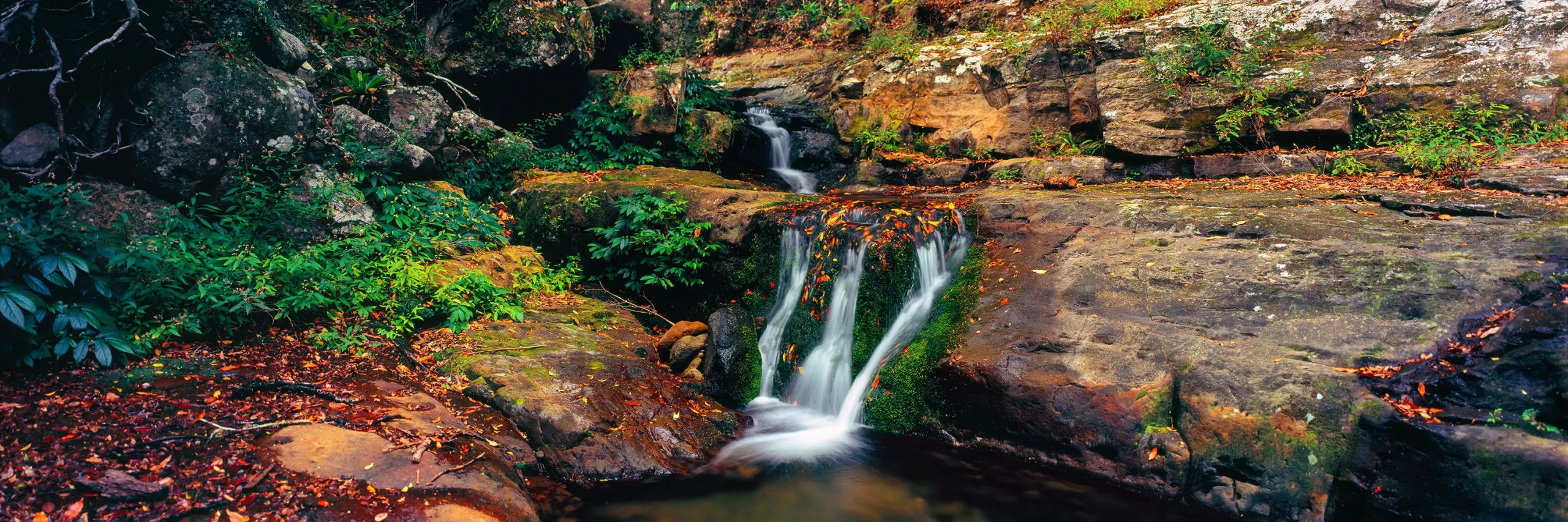
A waterfall becomes a flowing silk-like curtain.
Ocean waves become soft movements across the shoreline.
Clouds become dramatic pathways through the sky.
Long exposure photography allows the viewer to experience the landscape in a way the human eye cannot normally see.
Composition: Creating Balance and Emotion
Great landscape photography begins with composition.
Before capturing an image, the photographer must decide how every element within the frame works together.
Composition is the foundation that guides the viewer through the photograph.
Mark Zissis approaches composition by looking beyond the obvious.
A beautiful location does not automatically create a beautiful photograph.
The challenge is finding the right perspective.
Important compositional elements include:
Foreground Interest
A strong foreground creates depth and invites the viewer into the image.
Rocks, native plants, reflections, textures and leading features help create a three-dimensional feeling.
Instead of simply looking at a landscape, the viewer feels as though they are entering it.
Leading Lines
Natural lines guide the eye through an image.
Examples include:
- Rivers
- Coastal formations
- Mountain ridges
- Forest pathways
- Rock formations
These elements create movement and encourage exploration.
Balance and Simplicity
A powerful landscape image does not need to contain everything.
Often, removing distractions creates a stronger emotional response.
Minimal compositions allow the important elements to stand out.
A lone tree.
A mist-covered mountain.
A single wave approaching the shore.
Simple moments can create some of the most memorable photographs.
The Challenge of Photographing Australia’s Wilderness
Australia’s landscapes are beautiful, but they are not always easy to photograph.
Many of the most rewarding locations require commitment, preparation and endurance.
Landscape photographers often face:
- Extreme temperatures
- Remote locations
- Difficult terrain
- Changing weather
- Long periods of waiting
- Limited access
The reward comes when nature reveals a rare moment.
Standing alone in the Australian wilderness before sunrise is an experience unlike any other.
The silence of the landscape, the first signs of light appearing across the horizon and the anticipation of capturing something extraordinary are what make landscape photography such a powerful pursuit.
These moments cannot be replicated.
They must be experienced.
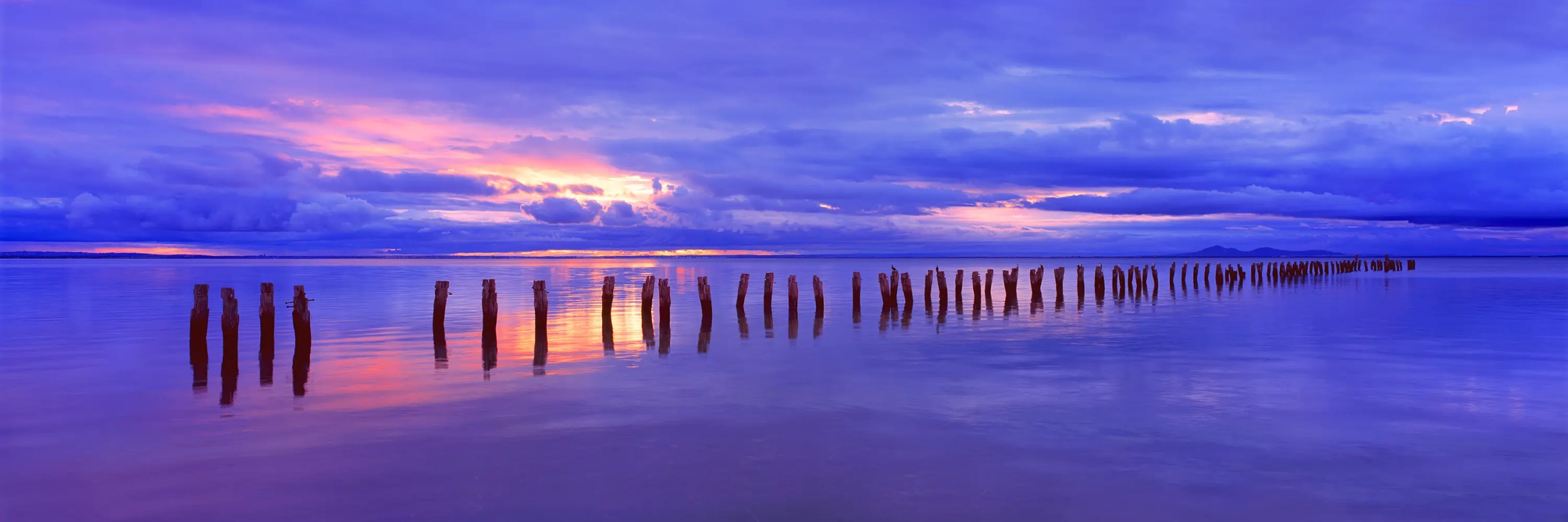
Photographing Australia’s Coastlines
Australia is surrounded by some of the most spectacular coastlines in the world.
From dramatic sandstone cliffs to turquoise beaches and powerful Southern Ocean waves, coastal photography offers endless creative possibilities.
Mark Zissis has captured many Australian coastal environments by focusing on:
- Wave movement
- Ocean textures
- Coastal rock formations
- Changing weather
- Atmospheric conditions
The ocean is never the same twice.
Every wave creates a different composition.
Every tide reveals new patterns.
Every storm changes the mood of the coastline.
Coastal landscape photography requires patience and careful observation.
The strongest images often occur during unpredictable weather when dramatic skies, powerful waves and unique light combine.
Infrared Photography and Seeing Beyond the Visible
One of the unique techniques used in landscape photography is infrared photography.
Infrared photography allows photographers to capture wavelengths of light beyond what the human eye can normally see.
Using a 720 nanometre infrared wavelength, landscapes can be transformed into surreal and dreamlike scenes.
Australian bushland takes on a completely different appearance.
Trees can become luminous.
Leaves can appear bright and glowing.
Skies can become dramatic and powerful.
Infrared photography reveals another dimension of the Australian environment.
It allows familiar landscapes to be interpreted in a completely new way.
For Mark Zissis, this technique represents the creative side of photography—the ability to look beyond the obvious and discover new artistic possibilities within nature.
Focus Stacking and Capturing Extreme Detail
Many landscape photographs require incredible depth of field, especially when capturing scenes that extend from nearby foreground elements to distant mountains.
Focus stacking is an advanced technique used to achieve maximum sharpness throughout the image.
Multiple photographs are captured at different focus distances and combined during post-processing.
This creates an image where every part of the landscape remains beautifully detailed.
For large-format fine art printing, this level of detail is essential.
The viewer should be able to explore the photograph and discover new details every time they look.
From Digital Capture to Fine Art Wall Print
The journey of a landscape photograph does not end when the shutter is pressed.
The final stage is transforming the captured image into a premium artwork.
Every decision matters:
- Colour accuracy
- Tonal balance
- Print medium
- Paper quality
- Presentation style
A photograph intended for a home or commercial space must maintain the emotion of the original scene.
The goal is not simply producing a print.
The goal is creating artwork.
Through careful processing and professional printing techniques, Mark Zissis Photography transforms Australia’s landscapes into timeless pieces designed to enhance modern interiors.
Whether displayed as large statement wall art, acrylic artwork or fine art prints, each piece represents a connection between nature, photography and design.
The Continuing Pursuit of the Perfect Image
After 23 years behind the camera, the pursuit remains the same:
To create photographs that inspire.
Landscape photography is a lifelong journey.
There is always another sunrise to witness, another coastline to explore and another wilderness story waiting to be captured.
The equipment may change.
Technology may improve.
But the foundation remains unchanged:
Respect nature.
Understand light.
Wait patiently.
Create with purpose.
Through this philosophy, Mark Zissis continues to capture the extraordinary beauty of Australia’s landscapes and transform those moments into fine art photography that can be enjoyed for generations.
Photographing Every Corner of Australia
The Diverse Landscapes, Hidden Stories and Natural Wonders Captured by Mark Zissis Photography
A Journey Through Australia’s Extraordinary Landscapes
Australia is one of the most visually diverse countries on Earth. From ancient mountain ranges and dramatic coastlines to vast deserts, tropical rainforests and untouched wilderness, every region offers a unique story waiting to be discovered.
For Mark Zissis Photography, capturing the Australian landscape has been a lifelong journey driven by curiosity, passion and a deep respect for nature. With more than 23 years of experience photographing Australia’s most spectacular environments, Mark’s approach is not simply about recording a location—it is about capturing the emotion, atmosphere and character that make each landscape unique.
Every state and territory of Australia has its own personality.
The colours are different.
The textures are different.
The light behaves differently.
The weather creates different moods.
This incredible diversity is what makes Australian landscape photography such a rewarding pursuit.
From the rugged sandstone cliffs of New South Wales to the untouched wilderness of Tasmania, every photograph becomes a visual story of place, time and connection.
The goal is always the same:
To create timeless Australian landscape artwork that allows people to experience the beauty of these locations long after the moment has passed.
New South Wales – The Ancient Beauty of Mountains, Coastlines and Wilderness
New South Wales has been one of the most influential regions throughout Mark Zissis’ photographic journey.
The state offers an extraordinary combination of ancient geological formations, dramatic coastlines, eucalyptus forests and vast wilderness areas.
The Blue Mountains are particularly significant, with their towering sandstone escarpments, deep valleys, waterfalls and endless layers of blue-hazed ridges.
This landscape has been shaped over millions of years and provides endless opportunities for atmospheric photography.
Photographing the Blue Mountains requires patience.
The landscape constantly changes with the weather.
Morning mist can transform the valleys into a dreamlike scene.
Storm clouds can create dramatic contrast against sandstone cliffs.
Golden afternoon light can reveal textures hidden within the rugged terrain.
Locations such as the Jamison Valley, Mount Wilson, Blackheath, Katoomba, Mount Victoria and remote wilderness areas provide a constantly changing canvas for landscape photographers.
Beyond the mountains, New South Wales offers some of Australia’s most spectacular coastal environments.
From the dramatic cliffs of the South Coast to the powerful surf beaches of Sydney and the Central Coast, the ocean creates endless photographic opportunities.
The movement of waves, changing tides and coastal rock formations allow photographers to capture moments that are never repeated.
For Mark Zissis, photographing New South Wales is about finding the quiet moments—the hidden waterfalls, isolated landscapes and subtle details that reveal the true character of the state.
Victoria – Dramatic Coastlines, Alpine Landscapes and Natural Contrast
Victoria offers an incredible variety of landscapes within a relatively compact region.
From the world-famous coastline of the Great Ocean Road to the rugged beauty of the Victorian Alps, the state provides endless inspiration.
The coastline is one of Victoria’s greatest photographic treasures.
The Twelve Apostles and surrounding limestone formations showcase the powerful relationship between land and ocean.
Millions of years of erosion have created dramatic structures that continue to evolve with every passing storm and tide.
Capturing these locations successfully requires more than simply arriving with a camera.
The challenge is finding the right combination of:
- Light
- Weather
- Ocean conditions
- Perspective
- Composition
The most memorable images often occur during changing conditions when the landscape reveals its true power.
Victoria’s alpine regions offer a completely different experience.
Snow-covered mountains, misty forests and winding valleys create opportunities for atmospheric landscape photography throughout the seasons.
Autumn brings rich colours.
Winter creates dramatic snow-covered scenes.
Spring reveals vibrant growth.
Summer provides clear mountain light and expansive views.
This seasonal diversity makes Victoria an important destination for Australian landscape photographers.
Queensland – Tropical Landscapes, Rainforests and Coastal Beauty
Queensland is a state of extraordinary natural contrasts.
From tropical rainforests and ancient mountains to endless beaches and remote islands, the landscape offers a unique combination of colour, texture and atmosphere.
The tropical regions of northern Queensland provide some of Australia’s most dramatic environments.
Ancient rainforests create a world of deep greens, flowing water and incredible biodiversity.
Waterfalls hidden within dense forest environments create opportunities for long exposure photography, where moving water becomes smooth and artistic.
The Queensland coastline provides another perspective.
Sunrise over the ocean, tropical beaches and dramatic cloud formations create powerful landscape compositions.
The challenge with tropical photography is working with rapidly changing conditions.
Humidity, storms and intense sunlight can transform a scene within minutes.
These changing conditions create opportunities for photographers who are prepared and patient.
For Mark Zissis, Queensland represents the vibrant side of Australia’s natural beauty—the colour, energy and diversity of a landscape shaped by water, sunlight and ancient ecosystems.
Tasmania – Australia’s Untouched Wilderness
Tasmania holds a special place in Australian landscape photography.
Often described as one of the world’s last great wilderness regions, Tasmania offers dramatic mountains, ancient forests, alpine lakes and rugged coastlines.
The island’s remote landscapes provide some of Australia’s most powerful photographic experiences.
Locations such as Cradle Mountain, the Tasmanian wilderness areas, the Bay of Fires and the rugged western coastline showcase the raw beauty of nature.
Tasmania’s unpredictable weather is one of its greatest photographic strengths.
Cloud can roll across mountains within minutes.
Mist can transform valleys.
Light can break through storms creating unforgettable moments.
These conditions create atmosphere.
They create emotion.
They create photographs with a sense of wilderness and isolation.
For Mark Zissis, photographing Tasmania is about capturing the feeling of standing within these ancient landscapes—the silence, scale and untouched beauty.
The goal is not simply to photograph mountains or lakes.
The goal is to communicate the experience of being there.
South Australia – Ancient Landscapes and Coastal Wonder
South Australia offers some of the most unique geological landscapes in Australia.
From rugged mountain ranges to dramatic coastlines and vast open spaces, the state provides endless opportunities for landscape photography.
The Flinders Ranges showcase millions of years of geological history.
Their dramatic ridges, colours and textures reveal the ancient story of Australia’s interior.
The changing light across these landscapes creates extraordinary photographic conditions.
Early morning and late afternoon reveal shadows, depth and rich colours that highlight the character of the terrain.
South Australia’s coastline also provides incredible opportunities.
Cliffs, beaches, islands and unique rock formations create powerful compositions.
The interaction between land and ocean is a recurring theme in Australian landscape photography.
Mark Zissis approaches these landscapes with a focus on authenticity—capturing the natural beauty of the environment without forcing the scene.
Western Australia – Vast Horizons and Untouched Beauty
Western Australia is a landscape photographer’s dream.
Its immense size and remote environments provide some of Australia’s most spectacular scenery.
From the turquoise waters of the coastline to ancient rock formations and endless outback landscapes, Western Australia offers incredible diversity.
The state’s remote nature means many locations require significant planning and preparation.
But this isolation is also what makes the landscapes so special.
The absence of crowds allows photographers to experience nature in its purest form.
The dramatic contrast between red earth, blue oceans and endless skies creates iconic Australian imagery.
Photographing Western Australia requires patience and respect for the environment.
The distances are enormous, the conditions can be challenging, and preparation is essential.
However, the reward is capturing landscapes that feel timeless and untouched.
Northern Territory – Australia’s Ancient Heart
The Northern Territory represents the ancient spirit of Australia.
Its landscapes tell stories that stretch back millions of years.
From the red centre to dramatic waterfalls, sandstone formations and vast horizons, the region offers some of the country’s most iconic scenery.
The colours of the Northern Territory are extraordinary.
Deep reds.
Golden sunsets.
Rich earthy tones.
Dark storm clouds.
These elements combine to create powerful photographic opportunities.
The challenge is capturing the scale of these environments.
The landscape is enormous, and creating a sense of depth and emotion requires careful composition.
For Mark Zissis, photographing the Northern Territory is about capturing the connection between land, history and atmosphere.
Australian Capital Territory – Seasonal Beauty and Mountain Landscapes
Although Australia’s smallest mainland territory, the Australian Capital Territory offers beautiful landscapes and changing seasonal conditions.
The surrounding mountains, forests and open spaces provide opportunities for peaceful and intimate landscape photography.
The region demonstrates an important philosophy in photography:
You do not always need the most famous location to create a powerful image.
Sometimes extraordinary photographs exist close to home.
A change in light.
A morning mist.
The colours of autumn.
The texture of native vegetation.
These small moments can become meaningful works of art.
The Common Thread Across Every Australian Landscape
Although every state and territory has its own identity, one thing connects them all:
Light.
Light reveals the personality of the landscape.
It creates mood.
It creates emotion.
It transforms ordinary moments into extraordinary photographs.
After 23 years of photographing Australia, Mark Zissis continues to search for those rare moments where nature, light and composition come together perfectly.
The result is more than a photograph.
It is a piece of Australia’s story.
Through fine art landscape photography, these landscapes can be preserved, shared and appreciated for generations.
Every image is a reminder of the incredible beauty that exists across this remarkable country.
Continuing the Journey
Australian landscape photography is an endless exploration.
There will always be another coastline to discover, another mountain to climb, another forest to walk through and another moment of light waiting to be captured.
For Mark Zissis Photography, the journey continues with the same passion that began more than two decades ago:
To capture Australia’s landscapes honestly, beautifully and timelessly—creating artwork that brings the spirit of nature into people’s homes.