
IR Infrared Photography 720 NM
Infrared Photography Australia – Discover the Invisible World Through 720 Nanometre Photography
Seeing the Australian Landscape in a Way Few Ever Experience
Photography has always been about capturing light, but what if you could photograph light that the human eye simply cannot see?
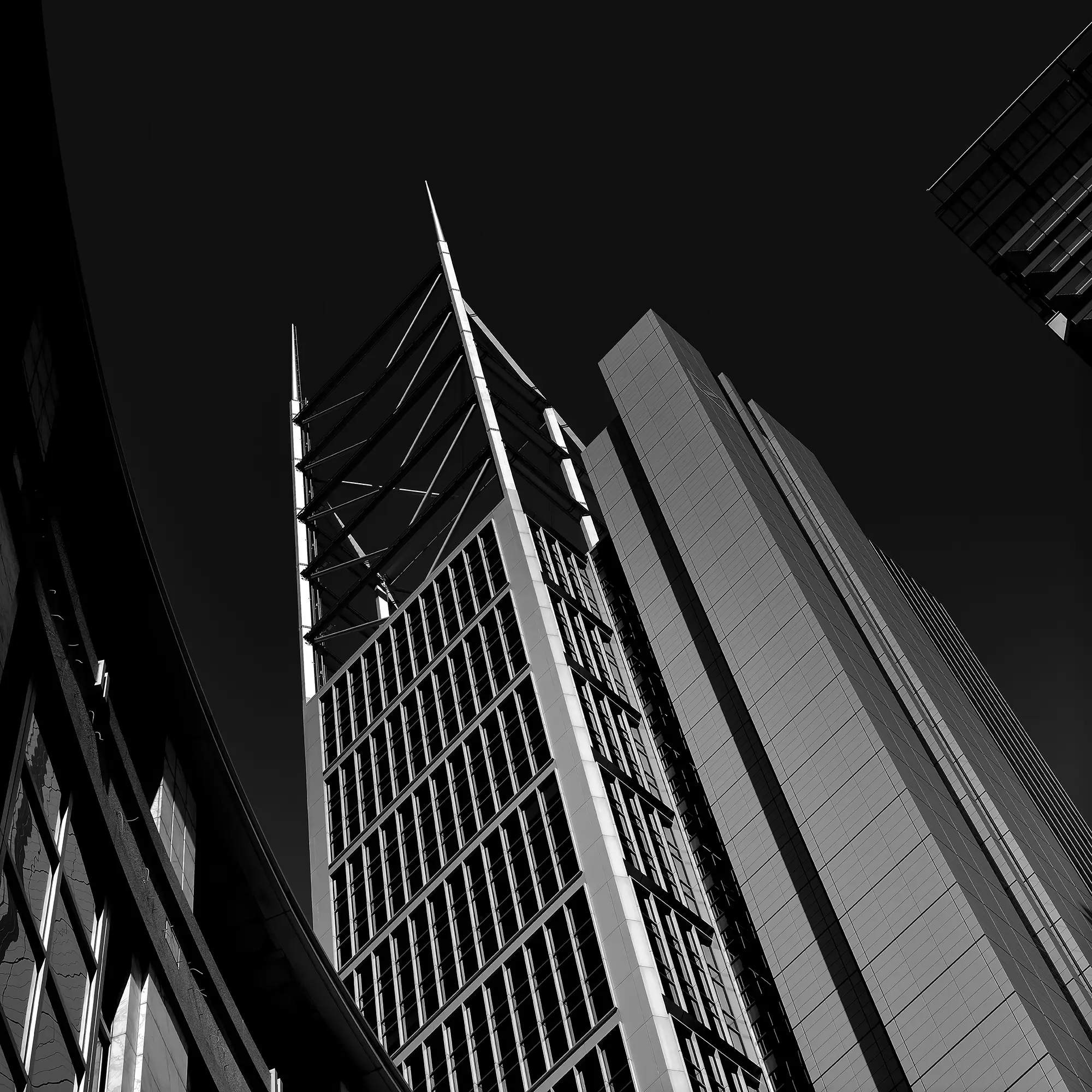
Infrared photography opens the door to an entirely different world—one where towering eucalyptus forests glow like freshly fallen snow, dramatic skies become rich and almost black, and familiar Australian landscapes transform into surreal works of art. At Mark Zissis Photography, infrared photography isn’t about creating digital effects or artificial filters. It is about revealing the hidden beauty of nature using genuine infrared light captured beyond the visible spectrum.
Using specialised 720 nanometre (720nm) infrared technology, Mark creates striking fine art images that showcase Australia’s wilderness in a way that few photographers ever attempt.
Whether exploring the sandstone escarpments of the Blue Mountains, the rugged wilderness of Tasmania, ancient rainforests, or the windswept coastlines of Australia, infrared photography allows these remarkable locations to be experienced from an entirely new perspective.
What Is Infrared Photography?
The human eye can only see visible light, ranging from approximately 400 to 700 nanometres. Beyond this lies the near-infrared spectrum—light that surrounds us every day but remains completely invisible to us.
Infrared photography records this hidden light by using specially modified cameras or infrared filters that block most visible wavelengths while allowing infrared light to reach the camera sensor. A 720nm infrared filter is one of the most popular choices because it captures predominantly infrared light while retaining just enough visible red light to produce dramatic monochrome images or subtle false-colour effects.
The result is unlike traditional photography.
Trees become brilliant white.
Clouds gain incredible depth.
Water reflects differently.
Textures emerge that would otherwise remain unnoticed.
Instead of simply recording what the eye sees, infrared photography reveals what nature has been hiding all along.
Why 720 Nanometres?
Among infrared photographers worldwide, 720nm has become the benchmark wavelength.
It represents the perfect balance between capturing true infrared light while maintaining enough tonal information to create exceptional contrast and artistic flexibility. Compared with shorter wavelengths such as 590nm or 665nm, 720nm delivers stronger infrared characteristics, including the classic “white foliage and dark sky” look that has made infrared landscape photography so distinctive.
For Australian landscapes, 720nm is particularly well suited because of our bright sunlight, open skies and highly reflective native vegetation.
Every photograph becomes an interpretation of the landscape rather than a simple record of reality.
The Magic of Australian Native Bush in Infrared
Australia possesses one of the most unique ecosystems on Earth.
The silver leaves of eucalyptus trees, banksias, paperbarks and countless native species reflect infrared light exceptionally well. This phenomenon—often called the Wood Effect—causes healthy vegetation to appear bright white because plant leaves strongly reflect near-infrared wavelengths.
The result is extraordinary.
Dense bushland appears luminous.
Ancient forests glow.
Mountain valleys become ethereal.
The Australian wilderness transforms into something almost dreamlike while still remaining completely authentic.
Every image is created from real light rather than digital manipulation.
Infrared Photography in the Blue Mountains
Few places lend themselves to infrared photography as beautifully as the Blue Mountains.
The endless eucalyptus forests stretching across deep sandstone valleys produce incredible tonal separation under infrared light. Morning mist drifting through Jamison Valley becomes even more mysterious, while iconic sandstone cliffs stand boldly against dark dramatic skies.
Places such as:
- The Three Sisters
- Govetts Leap
- Pulpit Rock
- Mount Victoria
- Blackheath
- Mount Wilson
- Terrace Falls
- The Grose Valley
all reveal new textures, contrast and atmosphere that simply cannot be achieved using conventional landscape photography.
For Mark Zissis, infrared photography is another way of telling the story of this extraordinary World Heritage landscape.
A Different Vision of Tasmania
Tasmania’s cool temperate rainforests, alpine lakes and ancient wilderness become even more captivating through infrared photography.
The pencil pines of Cradle Mountain, the moss-covered forests of Mount Field, the rugged coastline and alpine heathlands all respond differently to infrared light.
The combination of dramatic weather, low cloud and reflective vegetation creates artwork that feels timeless.
Infrared transforms Tasmania into something both familiar and completely new.
Beyond Black and White
Many people assume infrared photography is simply black and white.
In reality, it offers remarkable creative possibilities.
A 720nm capture can be processed into rich monochrome fine art with exceptional tonal range or developed into subtle false-colour imagery, where cool blue skies contrast beautifully against glowing white vegetation.
Every photograph begins as genuine infrared light captured by the camera.
The artistic process simply determines how that invisible light is presented.
The Technical Craft Behind Every Image
Infrared photography requires patience, planning and specialist knowledge.
Unlike conventional landscape photography, infrared demands careful attention to:
- Light quality
- Seasonal foliage
- Infrared reflectivity
- White balance
- Lens performance
- Camera conversion
- Exposure accuracy
- Post-processing techniques
Not every lens performs well in infrared, and some can produce unwanted hotspots or reduced contrast. Successful infrared photography also relies on understanding how different plants, rocks, water and skies respond to infrared wavelengths.
It is a discipline that blends technical precision with artistic vision.
Why Mark Zissis Uses Infrared
Landscape photography has always been about discovering something unique.
Rather than photographing locations exactly as everyone else sees them, infrared offers an opportunity to present Australia’s wilderness from a completely different perspective.
It slows the creative process.
It encourages seeing beyond colour.
It reveals texture, light and form.
Each image becomes less about documentation and more about interpretation.
The result is fine art that feels timeless, peaceful and unlike anything produced by conventional landscape photography.
Fine Art Infrared Wall Art
Every infrared image in the Mark Zissis collection is produced to museum-quality standards using premium archival materials.
Available in a range of standard Australian frame sizes, each artwork is designed to complement both contemporary and classic interiors.
Whether displayed as a large statement piece or a carefully curated gallery wall, infrared photography brings elegance, mystery and conversation into any home or office.
The striking contrast between luminous forests and dramatic skies creates artwork that continually reveals new details the longer you look.
Experience Australia’s Hidden Light
Nature is full of invisible beauty.
Infrared photography reminds us that there is always more to discover beyond what we see with our own eyes.
Through 720 nanometre photography, Mark Zissis captures Australia’s landscapes in a way that is both scientifically fascinating and artistically inspiring.
From the ancient eucalyptus forests of the Blue Mountains to the wild alpine wilderness of Tasmania and the remote coastlines of Australia, every image celebrates the extraordinary beauty that exists just beyond human vision.
Explore the Infrared Photography Collection and discover Australian landscapes transformed by invisible light into timeless fine art.
Because sometimes the most remarkable photographs are the ones captured beyond the visible spectrum.