
LUTRUWITA – TASMANIA
The Ultimate Guide to Photographing Cradle Mountain, Lutruwita (Tasmania)
Discover One of Australia’s Greatest Wilderness Landscapes Through the Lens of
Mark Zissis Photography
Part 1 of 4
The Ultimate Guide to Photographing Cradle Mountain, Lutruwita (Tasmania)
Towering above ancient alpine lakes, weathered by millions of years of wind, rain and ice, Cradle Mountain is one of Australia’s most iconic wilderness destinations. Located within the Tasmanian Wilderness World Heritage Area, this remarkable landscape has inspired photographers, hikers and nature lovers from around the world for generations.
Known by the Aboriginal name Lutruwita, Tasmania is a land where rugged mountain peaks meet ancient rainforests, crystal-clear glacial lakes and some of the cleanest air on Earth. Among its countless natural treasures, Cradle Mountain stands proudly as the crown jewel of Tasmanian landscape photography.
For photographers, it is a place where no two days are ever the same. The weather changes by the hour, clouds race across the skyline, mist rolls silently through the valleys, and the first light of dawn transforms the mountain into a masterpiece of colour and atmosphere.
It is this ever-changing wilderness that continues to draw Australian landscape photographer Mark Zissis back to Cradle Mountain season after season. His passion lies in capturing authentic moments within Tasmania’s wilderness—not simply recording a landscape, but revealing its mood, scale and timeless beauty through carefully crafted fine art photography.
Whether it’s the first golden rays striking the summit across Dove Lake, fresh snow covering ancient pencil pines, or dramatic storm clouds gathering over the peaks, every visit offers an entirely new photographic experience.
If you’re planning your own photographic journey to Cradle Mountain, this guide will help you discover the best locations, the ideal seasons, camera techniques, and practical advice to capture one of Australia’s most spectacular landscapes.
Why Cradle Mountain is a Landscape Photographer’s Dream
Few locations in Australia offer the diversity found within Cradle Mountain National Park.
Within only a few kilometres, photographers can capture:
- Alpine lakes
- Ancient temperate rainforest
- Snow-covered mountains
- Waterfalls
- Glacial valleys
- Moss-covered forests
- Native wildlife
- Dramatic weather
- Crystal reflections
- Wild alpine heathlands
Unlike many famous destinations where the conditions remain relatively consistent, Cradle Mountain constantly evolves throughout the day.
Sunrise may begin beneath clear skies before thick fog drifts across Dove Lake. By afternoon, rain showers can create rainbows over the mountain before finishing with fiery sunset colours reflected across still water.
This unpredictability is exactly what makes the area so rewarding for photographers.
Instead of simply photographing a location, you begin photographing moments.
Every visit becomes unique.
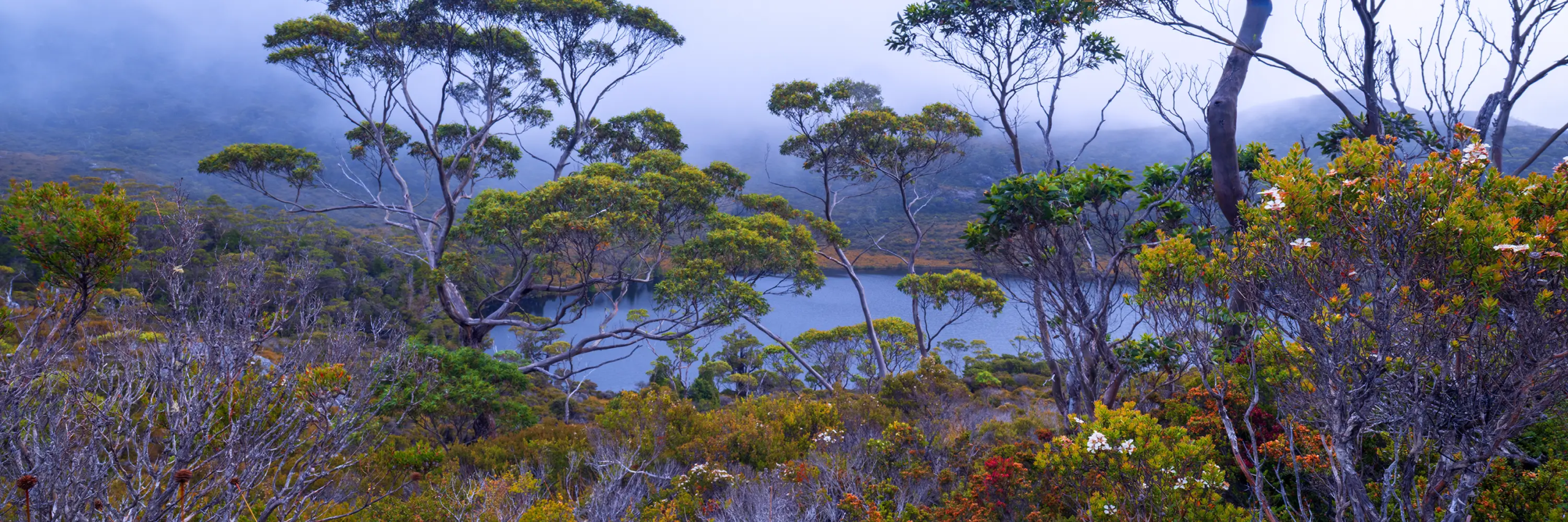
The Photography Style of Mark Zissis
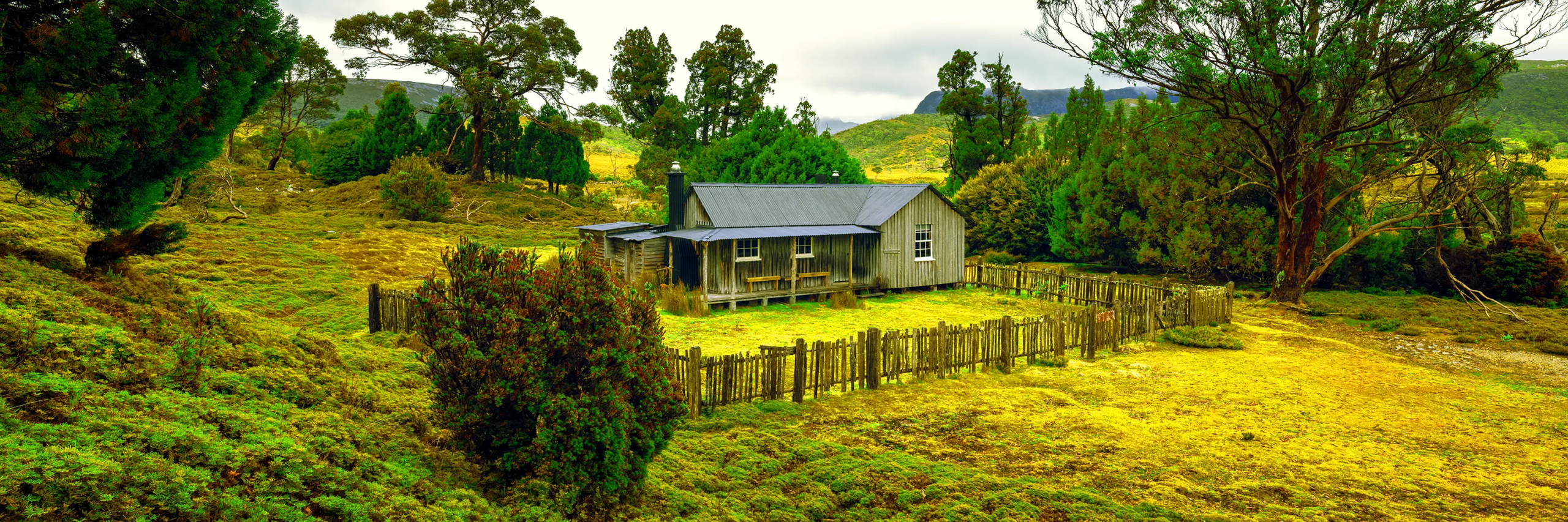
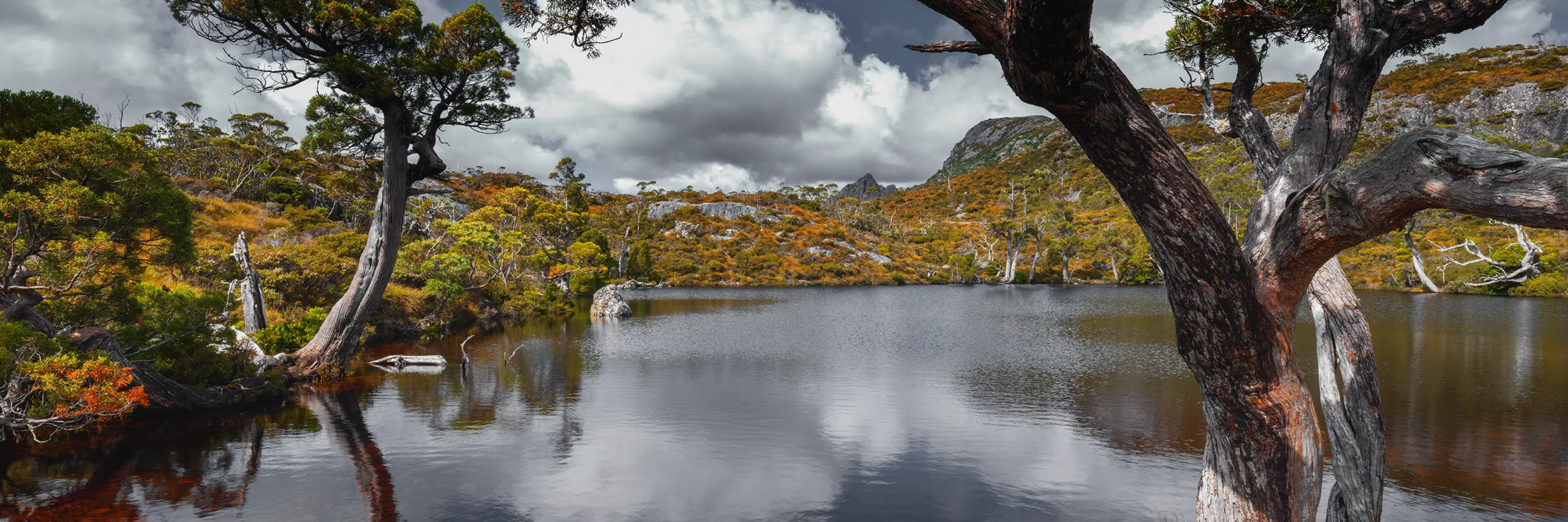
For Australian landscape photographer Mark Zissis, photographing Cradle Mountain is about far more than simply documenting scenery.
His style centres around creating artwork that evokes emotion and invites viewers into the landscape. Rather than chasing only postcard-perfect conditions, Mark embraces Tasmania’s ever-changing weather, often waiting patiently for fleeting moments when light, mist and atmosphere align.
Many of his images are captured during the quieter hours of the day—well before sunrise or after most visitors have left—when the wilderness reveals its true character.
His approach combines:
- Natural light
- Strong composition
- Layered foregrounds
- Leading lines
- Seasonal colour
- Moody weather
- Long exposures
- Fine detail
- Patience
Instead of oversaturating colours, his work celebrates the authentic tones of Tasmania.
Deep greens.
Ancient rainforest.
Cool alpine blues.
Golden sunrise light.
Snow-covered peaks.
The result is fine art landscape photography designed not only to showcase Tasmania’s beauty, but to bring a sense of calm and connection into homes through museum-quality wall art.
Every photograph tells the story of a moment that existed for only seconds.
The Ever-Changing Weather
One of the defining characteristics of Cradle Mountain is its famously unpredictable weather.
It is entirely possible to experience:
- Sunshine
- Heavy rain
- Thick fog
- Snow
- Strong winds
—all within a single day.
Rather than viewing changing weather as a problem, experienced landscape photographers see it as an opportunity.
Storms often produce dramatic skies.
Rain creates vibrant rainforest colours.
Fog simplifies busy scenes.
Snow transforms familiar locations into completely new landscapes.
Some of Mark favourite photographs have been created immediately after storms, when clearing clouds reveal shafts of golden light breaking across the mountains.
These moments cannot be planned.
They must simply be anticipated.
When is the Best Time to Photograph Cradle Mountain?
One of the most common questions photographers ask is:
“When should I visit?”
The truth is every season offers something unique.
Understanding the strengths of each season allows photographers to plan their trip around the style of images they hope to create.
Autumn (March to May)
Many experienced photographers consider autumn the finest season to visit Cradle Mountain.
Cool mornings regularly produce mist over Dove Lake, while the famous deciduous Fagus (Australia’s only native deciduous tree) transforms sections of the alpine landscape into brilliant shades of gold, orange and red.
Morning frosts become increasingly common, adding texture to grasses, mosses and alpine vegetation.
Wild weather systems also become more frequent, producing dramatic cloud formations that photograph beautifully.
Highlights include:
- Golden Fagus colour
- Crisp mountain air
- Morning mist
- Dramatic cloud formations
- Less crowded walking tracks
- Beautiful reflections
For photographers seeking rich colour and atmosphere, autumn is difficult to surpass.
Winter (June to August)
Winter transforms Cradle Mountain into one of Australia’s most spectacular alpine destinations.
Snow regularly blankets the mountain, surrounding forests and boardwalks.
For photographers, snow introduces a completely different colour palette.
Dark dolerite peaks contrast against brilliant white snow.
Ancient pencil pines become coated in frost.
Frozen lakes create unique foreground opportunities.
Sunrise often begins with soft pastel light reflected across snow-covered landscapes.
The challenge of winter photography lies in preparation.
Weather conditions can change rapidly, and photographers should always carry waterproof clothing, insulated gloves, extra batteries and protective camera covers.
Those willing to brave the cold are often rewarded with some of the most dramatic images Tasmania has to offer.
Spring (September to November)
As winter slowly retreats, Cradle Mountain awakens.
Wildflowers begin appearing across alpine meadows.
Waterfalls flow strongly following snowmelt.
Fresh greens emerge throughout the rainforest.
Wildlife becomes increasingly active, providing excellent opportunities for nature photographers.
Changing weather continues to create exciting conditions, with low cloud often lingering around the mountain during early mornings.
Spring is particularly rewarding for photographers looking to combine waterfalls, lush rainforest and colourful alpine vegetation.
Summer (December to February)
Summer offers the longest daylight hours and generally the easiest hiking conditions.
Walking tracks throughout the national park become more accessible, allowing photographers to venture deeper into the wilderness.
Although visitor numbers increase, early starts remain essential.
Arriving before sunrise not only avoids crowds but often provides the calmest lake conditions and the softest natural light.
Summer is an excellent time for photographing:
- Alpine heath
- Clear mountain reflections
- Long hiking adventures
- The Overland Track
- Wildlife at sunrise
- Evening golden light
Long twilight periods also provide extended opportunities for landscape photography well after sunset.
Why Sunrise Matters
If there is one lesson that experienced landscape photographers quickly learn at Cradle Mountain, it is this:
Never underestimate sunrise.
The first light of day often provides calm winds, softer colours and fewer visitors.
As dawn breaks, the eastern sky gradually fills with warm tones that illuminate Cradle Mountain while Dove Lake remains perfectly still.
These precious moments may last only minutes.
For Mark Zissis, sunrise represents possibility.
Every morning is different.
Some begin beneath brilliant stars.
Others reveal thick mist drifting across the lake.
Sometimes dramatic cloud catches fire with vibrant orange and crimson light.
Other mornings remain quiet, subtle and beautifully understated.
Learning to appreciate every type of sunrise—not just spectacular colour—is part of becoming a stronger landscape photographer.
In the next section of this guide, we’ll explore the most iconic photography locations throughout Cradle Mountain National Park, including Dove Lake, the famous Boat Shed, Crater Lake, Crater Falls, Marion’s Lookout, Waldheim Chalet and the Overland Track, along with camera settings, composition techniques and Mark Zissis’ approach to photographing these unforgettable landscapes.